Source Baby Stroller for Travel, Daily Use, and Twins
Explore 30 baby stroller options featuring foldable frames, stainless steel construction, and customizable designs. Compare portable, twin, and travel system models with adjustable features and varied packing standards to find the right fit for your needs; compare the available evidence and request quotations based on your requirements.
Key considerations
Products List




Comprehensive Sourcing Guide
Baby Stroller Sourcing Guide
Sourcing baby strollers requires a careful balance of safety, functionality, and aesthetic appeal to meet diverse market demands. Buyers must navigate a landscape where product attributes vary significantly, from frame materials like stainless steel and aluminum to specific design features such as foldable mechanisms and reversible handlebars. The observed market signals indicate a strong emphasis on customization, with suppliers offering tailored logos, colors, and patterns to align with brand identities. This flexibility allows retailers to differentiate their offerings, but it also necessitates rigorous verification of manufacturing capabilities to ensure consistency across large orders.
Procurement teams should prioritize suppliers who demonstrate robust customization infrastructure, as evidenced by available OEM services and adjustable design parameters. The presence of various product models, ranging from portable single units to twin strollers and travel systems, suggests a broad spectrum of target demographics, including infants aged zero to one year. Understanding these distinctions is crucial for aligning inventory with specific consumer needs. Buyers must also consider the logistical implications of different packing configurations, such as carton versus polybag packaging, which directly impact shipping efficiency and product protection during transit.
Product Scope and Observed Listing Signals
The current market for baby strollers exhibits a wide range of product types, including portable, multifunction, tricycle, and twin configurations. Listings indicate that manufacturers offer extensive customization options, allowing buyers to specify frame materials, colors, and logos to suit their brand requirements. This level of personalization is critical for creating unique value propositions in competitive retail environments. However, the diversity of models also means that buyers must clearly define their specifications early in the sourcing process to avoid miscommunication and ensure that the final product meets their exact functional and aesthetic expectations.
Observed listing signals reveal significant variation in packaging standards, with some products packed individually in cartons while others are grouped in polybags or larger carton units. These differences have direct implications for storage, handling, and final retail presentation. Additionally, the presence of specific product codes and model numbers, such as those indicating aluminum frames or four-wheel carts, highlights the importance of precise identification in procurement records. Buyers should leverage these details to streamline their ordering process and maintain accurate inventory management, ensuring that each unit corresponds to the correct technical and commercial specifications agreed upon during negotiations.
Technical Specifications to Verify
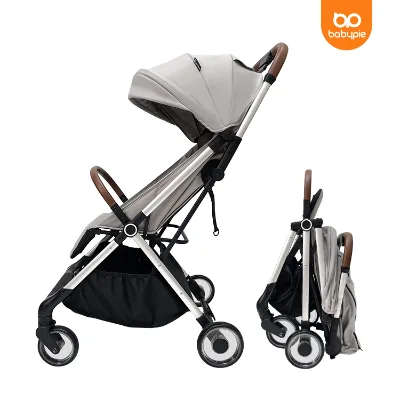
Verifying technical specifications is paramount to ensuring product quality and safety. Buyers must confirm the frame material, with options like stainless steel and aluminum offering different durability and weight profiles. The foldability feature is a key selling point, requiring verification of the mechanism’s reliability and ease of use. Additionally, the handlebar’s reversibility should be tested to ensure smooth operation and ergonomic comfort for users of varying heights. These functional attributes directly influence customer satisfaction and repeat purchases, making them critical areas for quality assurance during the sourcing phase.
Dimensional standards and weight limits are equally important considerations. Listings show varied standard dimensions, such as 82x90x44cm or 79.5x22x55cm, which must be cross-referenced with the buyer’s target market preferences for portability and storage. The product gross weight, observed around 9kg for certain models, impacts shipping costs and user handling. Buyers should request detailed technical drawings and material certificates to verify that these specifications are met consistently. Ensuring that the stroller’s size and weight align with safety regulations and consumer expectations is essential for minimizing returns and enhancing brand reputation.
Compliance and Safety Documentation
Safety compliance is non-negotiable in the baby product industry. Buyers must ensure that all strollers meet relevant regional safety standards, which typically include rigorous testing for structural integrity, stability, and material toxicity. While specific certification statuses may vary, buyers should request documentation proving adherence to recognized safety protocols. This includes verifying that fabrics, such as linen, are free from harmful chemicals and that all components are securely fastened to prevent choking hazards or structural failures. Proactive verification of these documents protects the buyer from legal liabilities and ensures consumer trust.
Beyond physical safety, buyers should investigate the supplier’s quality management systems and their approach to ongoing compliance. This involves understanding how the supplier handles batch testing and quality control procedures to maintain consistency across production runs. Documentation should also cover any relevant environmental or ethical standards, such as OEKO-TEX certification for textiles, which can be a significant selling point for eco-conscious consumers. By prioritizing suppliers with robust compliance frameworks, buyers can mitigate risks associated with product recalls and regulatory non-compliance, safeguarding their market position and customer relationships.
Cost Drivers and Commercial Terms
Cost structures in the baby stroller market are influenced by several key factors, including material selection, customization complexity, and order volume. The use of premium materials like stainless steel or aluminum can increase unit costs, while extensive customization of logos and colors may add to production expenses. Buyers should analyze these variables to understand the true cost drivers and negotiate favorable terms. Additionally, the observed MOQ ranges, from 1 to 500 pieces, offer flexibility for different business sizes, allowing smaller buyers to enter the market while larger enterprises can leverage volume discounts for better pricing.
Commercial terms also encompass packaging and shipping logistics, which can significantly impact the total landed cost. Variations in packing, such as individual cartons versus bulk polybags, affect palletization efficiency and freight charges. Buyers should clarify these details early in the negotiation process to avoid unexpected expenses. Furthermore, understanding the supplier’s payment terms and lead times is crucial for cash flow management and inventory planning. By aligning commercial terms with their operational capabilities, buyers can optimize their supply chain efficiency and maintain competitive pricing in their respective markets.
Supplier Qualification and Quality Control
Supplier qualification is a critical step in mitigating sourcing risks. Buyers should conduct thorough due diligence to assess the supplier’s manufacturing capabilities, quality control processes, and financial stability. This includes verifying their production capacity to meet order volumes and their ability to maintain consistent quality across batches. Suppliers with a history of successful OEM projects and positive client feedback are preferable, as they demonstrate reliability and expertise in handling customized orders. Engaging with suppliers who have established quality assurance protocols ensures that the final products meet the buyer’s standards.
Quality control measures should be integrated into the procurement process from the outset. Buyers should implement pre-production samples, in-line inspections, and final random inspections to catch defects early. Clear communication of quality expectations, including specific tolerances for dimensions and materials, is essential for aligning supplier output with buyer requirements. Additionally, establishing a feedback loop for continuous improvement helps address any recurring issues and enhances overall product quality. By prioritizing supplier qualification and rigorous quality control, buyers can build a resilient supply chain that delivers high-quality baby strollers consistently.
Long-Term Procurement Checks
Long-term procurement success depends on continuous monitoring and relationship management. Buyers should regularly review supplier performance metrics, including on-time delivery rates, defect rates, and responsiveness to issues. This data-driven approach allows for objective assessments of supplier reliability and helps identify areas for improvement. Maintaining open lines of communication with suppliers fosters collaboration and enables proactive problem-solving. By treating suppliers as strategic partners rather than mere vendors, buyers can leverage their expertise for innovation and cost optimization, driving long-term value for their businesses.
Market trends and consumer preferences evolve rapidly, requiring buyers to stay agile and adaptable. Regularly updating product specifications and exploring new customization options can help maintain competitiveness. Buyers should also monitor regulatory changes and safety standards to ensure ongoing compliance. By staying informed about industry developments and maintaining strong supplier relationships, buyers can anticipate market shifts and adjust their procurement strategies accordingly. This proactive approach ensures that the baby stroller offerings remain relevant and appealing to consumers, sustaining growth and profitability over time.
FAQs
Can I customize the logo and color of the baby stroller?
Yes, customization is available for logo, color, and pattern. The product page confirms that buyers can request specific designs to match their brand requirements. This service allows for tailored solutions without compromising the standard folding or portable features of the stroller.
What is the minimum order quantity for these baby strollers?
The minimum order quantity varies by supplier, with observed values ranging from 500 to 10,000 pieces. Some listings specify 500 pieces as the standard threshold, while others may require higher volumes. Buyers should verify the specific MOQ with the manufacturer before placing an order.
Which materials are used for the frame of the baby stroller?
The frame material is specified as stainless steel in the product details. This ensures durability and safety for infants. The construction supports the portable and foldable design, making it suitable for travel while maintaining structural integrity for daily use by parents.
How are the baby strollers packed for shipping?
Packing options include cartons, polybags, or brown boxes depending on the specific model. Some units are packed individually in cartons, while others come in sets of two per carton. The packaging dimensions vary, such as 82x90x44 cm or 95x46x61 cm, to fit different product sizes.
What is the origin location of these baby stroller products?
The products originate from China, with specific mentions of Hebei as a production region. This location is a common hub for baby product manufacturing. Buyers can expect goods to be sourced directly from these Chinese facilities, ensuring access to the full range of available models.
Are these baby strollers suitable for newborns aged 0-1 years?
Yes, the product attributes indicate suitability for babies aged 0 to 1 years old. The design features, including adjustable characteristics and foldable structures, cater to the needs of infants in this age group. This ensures safety and comfort during the early developmental stages of the child.
Can the baby stroller be folded for easy transport?
Yes, the baby stroller is designed to be foldable for convenient storage and transport. This feature is highlighted as a key attribute for portable models. The folding mechanism allows parents to easily manage the stroller in various environments, from home to travel destinations.